Winter road salt protects driveways and sidewalks but can quietly harm nearby trees. Recognizing salt damage to trees early helps you prevent lasting problems and protect your landscape. At Mr. Treeman, we provide trusted tree services in Oxford, CT. Keep reading to learn the signs, causes, and what to do if salt affects your trees.
How Road Salt Affects Trees
Road salt harms trees through direct contact and the soil. Car and truck tires spray salt water onto branches, buds, and foliage as vehicles pass during winter. Melting snow carries salt into the ground, where tree roots absorb it with water. This extra salt disrupts nutrient uptake and weakens the tree over time.
Sensitive species growing near busy roads, especially in poorly drained or low-lying locations, face the highest risk of salt damage.
Signs of Salt Damage to Trees
Watch for these common symptoms:
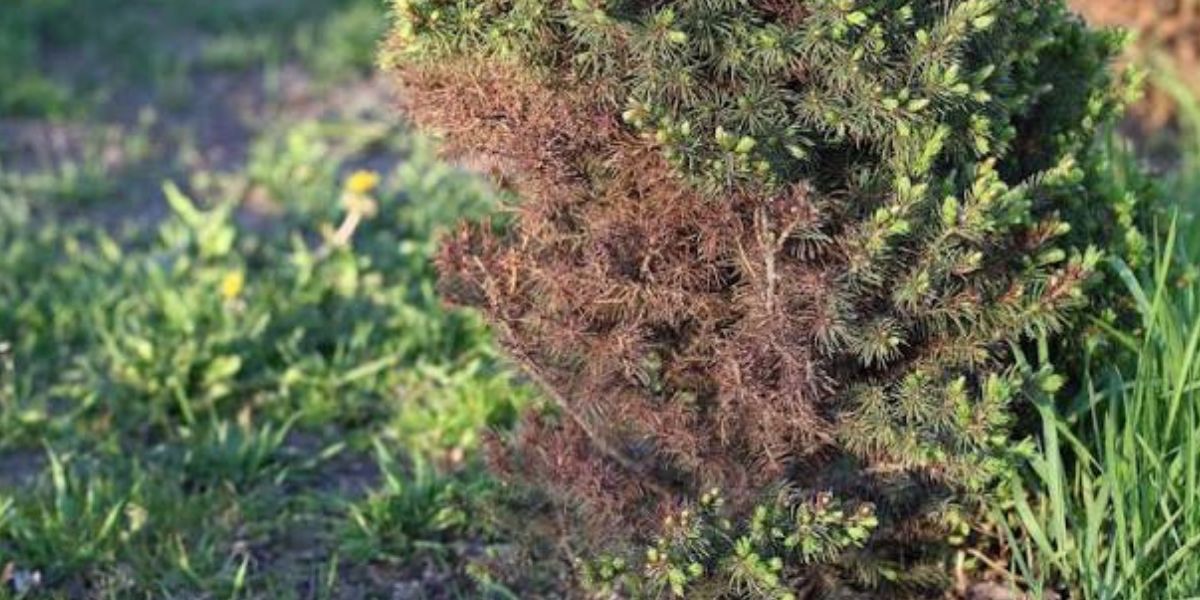
- Brown needle tips or premature needle drop on evergreens, especially on the side facing the road. Symptoms typically appear in late winter.
- Leaf scorch, bark discoloration, or canopy dieback on deciduous trees, usually visible in early spring as new growth begins.
- Dry, crusted soil near the root zone.
Treating Salt-Damaged Trees
Fresh water provides the best first response after the ground thaws. Effective steps include:
- Flush the soil with fresh water to move excess salt below the root zone. However, avoid doing this in low-lying or poorly drained areas, where water can pool around roots and cause further stress.
- Rinse trunks and foliage after salt exposure when temperatures stay above freezing.
- Pile salted snow away from trees and other plants to prevent salt from soaking into the soil.
- Gypsum may help improve saline soils in some situations, but apply it only when appropriate based on soil conditions or professional guidance.
These steps reduce salt buildup, although recovery depends on the amount of exposure and the tree’s overall health.
Prevent Future Salt Damage
Reducing winter salt exposure gives trees a better chance to stay healthy. Use less harmful deicers, including calcium chloride, potassium chloride, or calcium magnesium acetate, when practical. Burlap barriers can protect evergreens from salt spray during winter. Remove the coverings after road salting ends.
Healthy, well-drained soil supports stronger root systems and improves resilience. Apply mulch around the root zone while keeping it away from the trunk. Mulch helps conserve soil moisture, moderates soil temperatures, and supports healthier roots during recovery from salt exposure.
When planting near roads, choose salt-tolerant tree species and avoid low spots where salty runoff collects. Taking these steps helps reduce salt damage to trees in Oxford, CT, and lowers the chance you’ll need to treat them later.
Protect Your Trees With Expert Care
Are you noticing signs of salt damage to trees on your Oxford, CT, property? Salt can affect trees gradually, causing harm long before symptoms become obvious. At Mr. Treeman, we can inspect your trees and recommend the right course of action. Call us at (203) 879-3645 today to discuss your tree care needs and learn more about the symptoms of a dying tree.